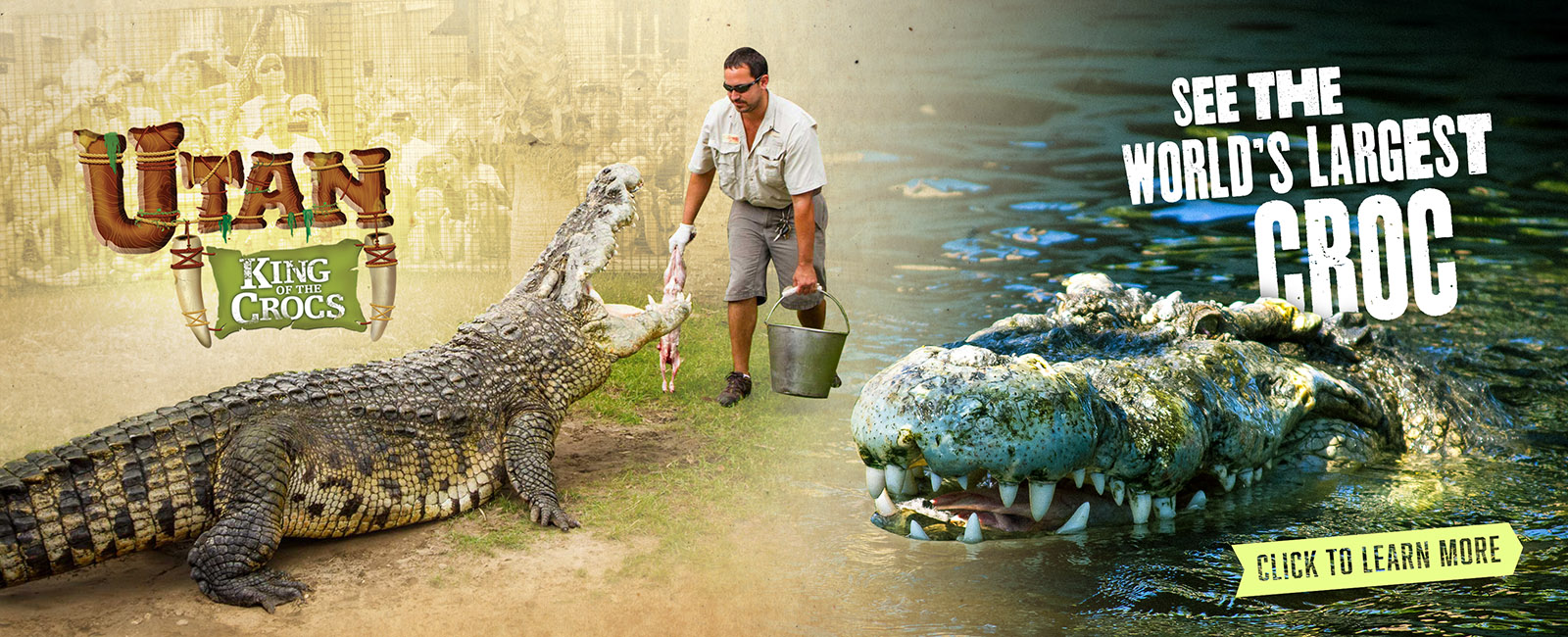
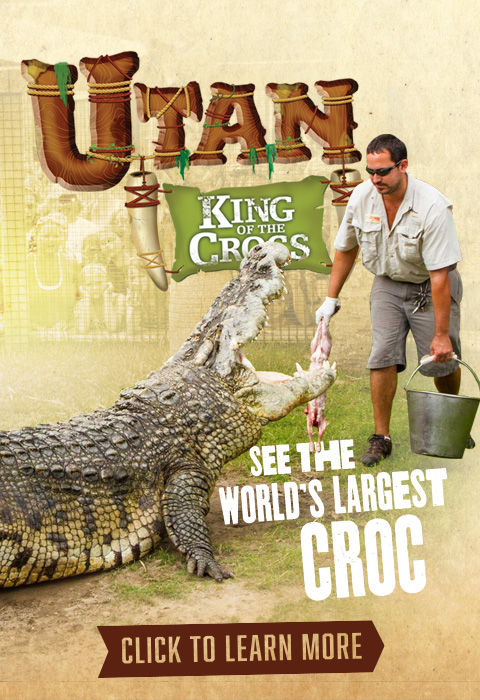
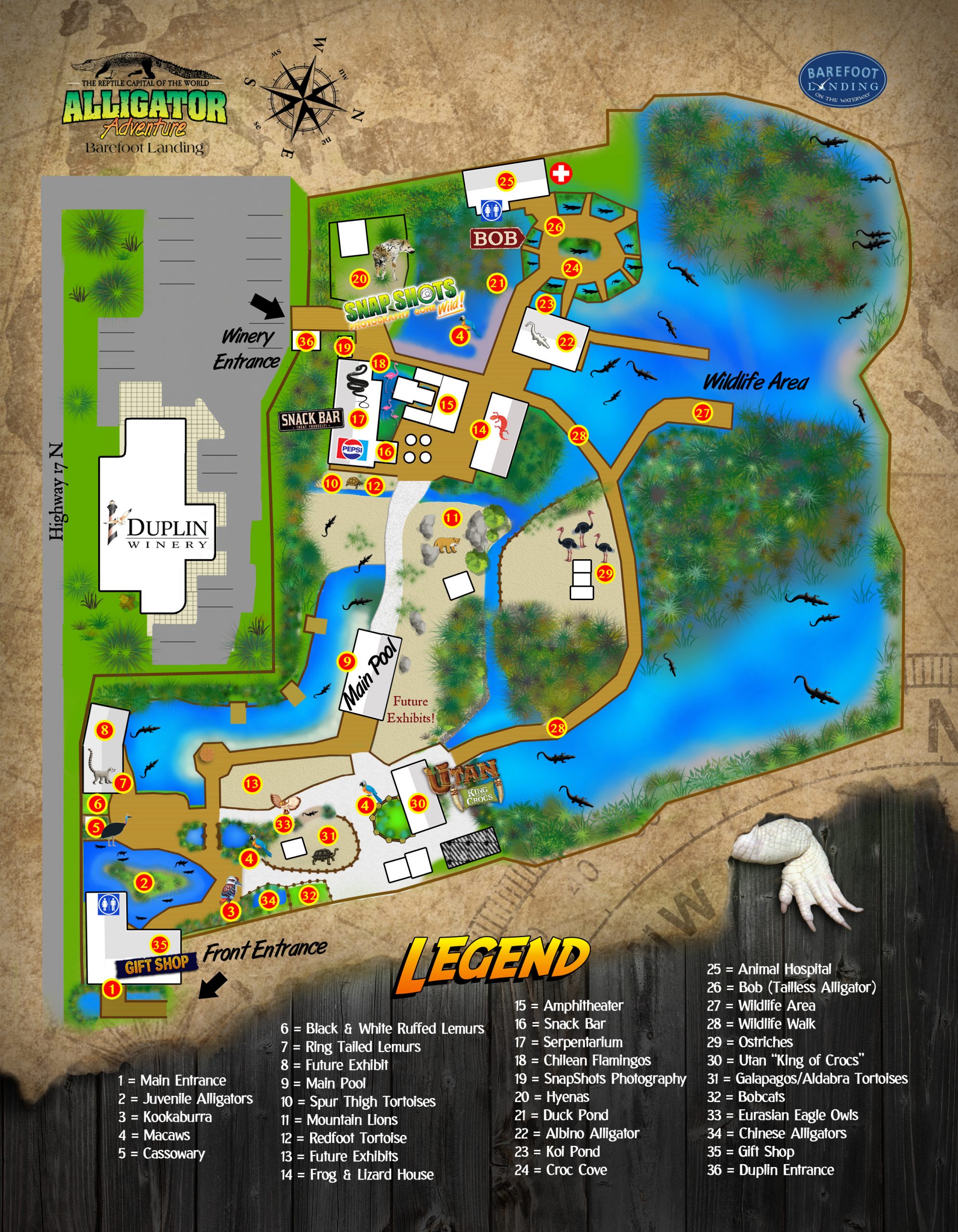
In June 2002, Alligator Adventure introduced our newest and largest arrival. At 20 feet long and weighing in at more than a ton, UTAN, King of the Crocs, the largest crocodile to ever be exhibited in the United States, made his new home in Myrtle Beach.

Imported from Thailand, UTAN was transported to the U.S. via an enormous wooden crate. The trip took 10 days and was carefully supervised by Dr. Sam Seashole, Alligator Adventure’s Director of Veterinary Medicine.


CROCODILES
American Crocodile (Crocodylus acutus)

Morelet's Crocodile (Crocodylus moreletii)

Nile Crocodile (Crocodylus niloticus)

Mugger (Crocodylus palustris)

Salt Water Crocodile (Crocodylus porosus)

Cuban Crocodile (Crocodylus rhombifer)

Siamese Crocodile (Crocodylus siamensis)

African Dwarve Crocodile (Osteolaemus tetraspis)

False Gharial (Tomistoma schlegelii)

Smooth Front Caiman (Paleosuchus trigonatus)

Yacare Caiman (Caiman yacare)s.


ABOUT
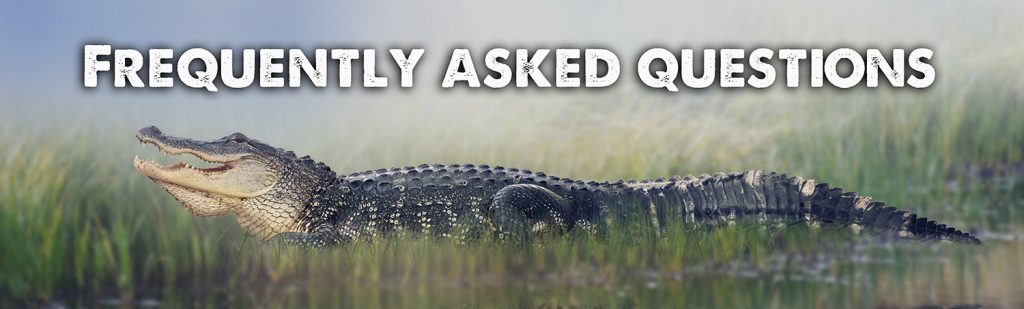
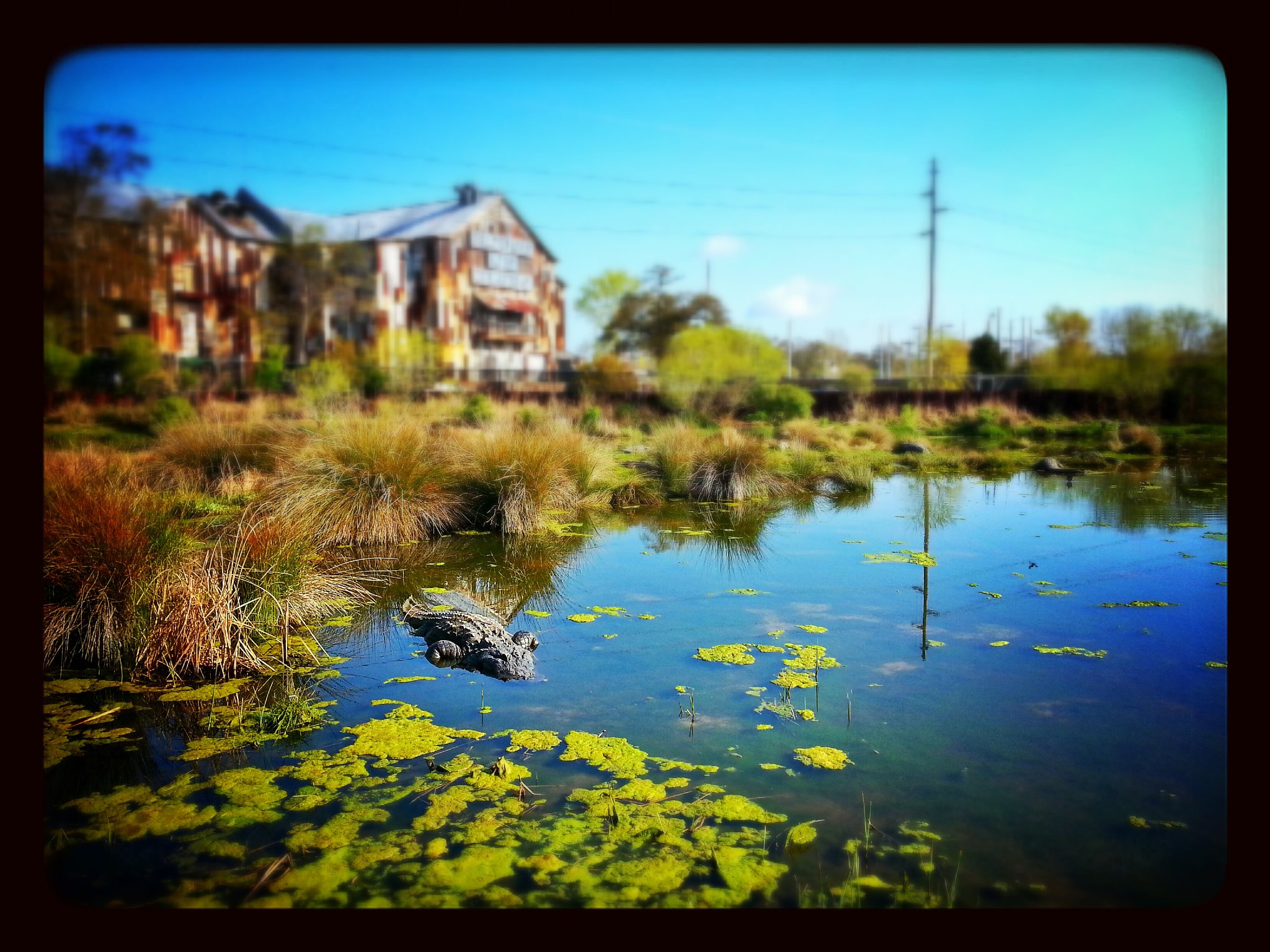
Crocodiles can be found in tropical and semi-tropical environments around the world. They have tough outer skins and rows of sharp teeth that extend outside their mouths. They are agile both in and out of the water. Some species are even capable of running at a high speeds and jumping many feet into the air. Crocodiles are formidable predators, their strength and viciousness are astounding.


DIET
Carnivores, diets can consist of fish, birds, turtles, small and large mammals, and in some cases humans.


SIZE
Sizez vary depending on species.


HABITAT
Crocodiles can be located around the world in tropical and semitropical climates. Crocodiles are most usually found in freshwater, but some species are adapted to saltwater.


MATING
Breeding varies by species. In all species females lay eggs in nests and are responsible for guarding the eggs until hatching.